

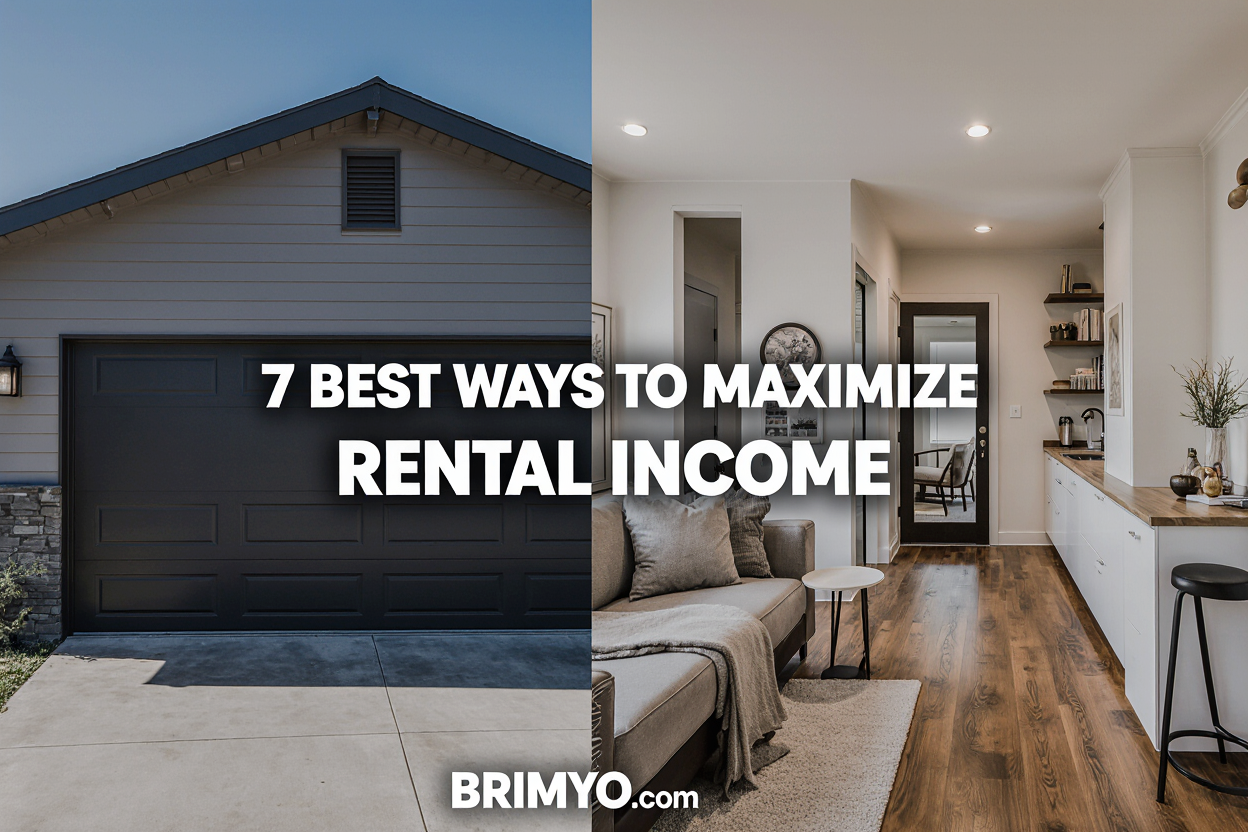
Key Takeaways
- Converting your garage to an ADU in 2026 costs $80,000–$150,000 for a two-car garage, often $10k–$30k less than a detached new build.
- Permit timelines range from 6–10 weeks in streamlined California cities to 2–3 months in TX/NY—budget extra if plans are incomplete.
- Calculate ROI by comparing total cost to conservative, local rental rates and factor in lost parking, permitting risks, and the local market.
- Executive summary — should I convert my garage to an ADU in 2026?
- Attached vs. detached: the true cost delta and decision framework
- National and regional cost ranges (quick maps for major U.S. markets)
- Line‑item cost breakdown — labor, permits, materials, and contingency
- Permits, approvals and average timelines — California, Texas, New York (what to expect)
- Timeline and project milestones (from scoping to rent-ready)
- Design and construction decisions that move the needle on cost
- Rental income, payback and ROI framing (how to evaluate returns)
- Garage conversion vs building a new ADU — quick decision checklist
- Permitting pitfalls, common delays and how to avoid them
- Funding options and cost-reduction strategies
- Sample budgets and downloadable checklist (templates)
- Next steps — a homeowner’s 30/60/90 day action plan
- FAQs
Executive summary — should I convert my garage to an ADU in 2026?
If you want to add rental income—or flexible family living—fast, the garage conversion ADU is the fastest, lowest-barrier route. In 2026, converting a typical two-car garage to an ADU costs $80,000–$150,000 (source). By contrast, building a new detached unit usually starts at $250,000 and can easily hit $400,000+ in top California markets (source).
- Attached conversions are $10k–$30k cheaper than detached, thanks to shared roof, slab, and utility runs.
- Your biggest tradeoffs are design size, site constraints, and (in many markets) loss of off-street parking value.
- Permit times are speeding up, but range from 6–10 weeks in much of California to 2–3 months typical in TX/NY (source).
Attached vs. detached: the true cost delta and decision framework
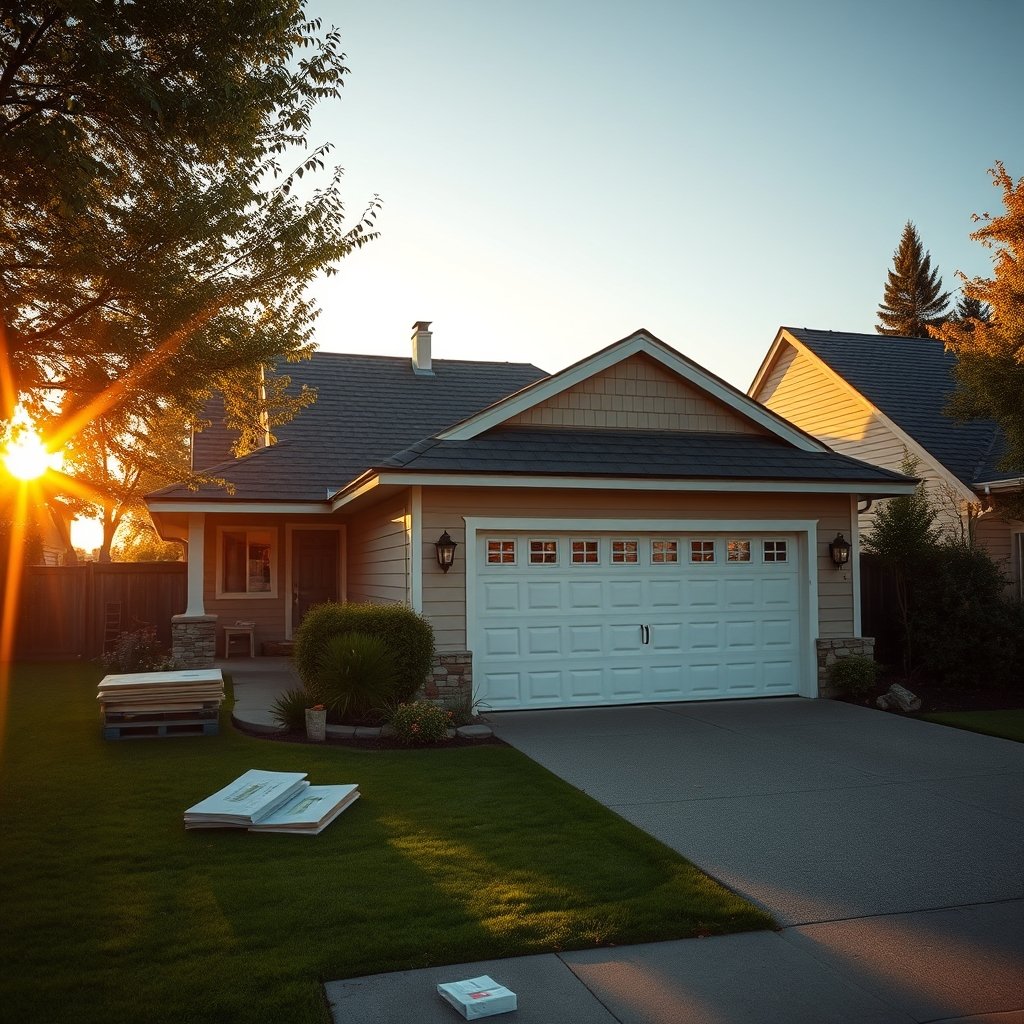
Most homeowners spend $80,000–$150,000 on a garage conversion ADU for a two-car attached garage. In Southern California, attached conversions run $120,000–$175,000 in LA, $110,000–$165,000 in San Diego, and $115,000–$175,000 in Ventura (source). Going detached? Start at $250,000 and expect $400,000+ in premium markets.
In contrast, a detached ADU allows more privacy, a bigger unit, and design freedom—but you’ll pay for new foundations, full site utilities, and usually, more local scrutiny. Only pick detached if you require a separate yard or plan a large rental unit that justifies the much higher outlay.
National and regional cost ranges (quick maps for major U.S. markets)
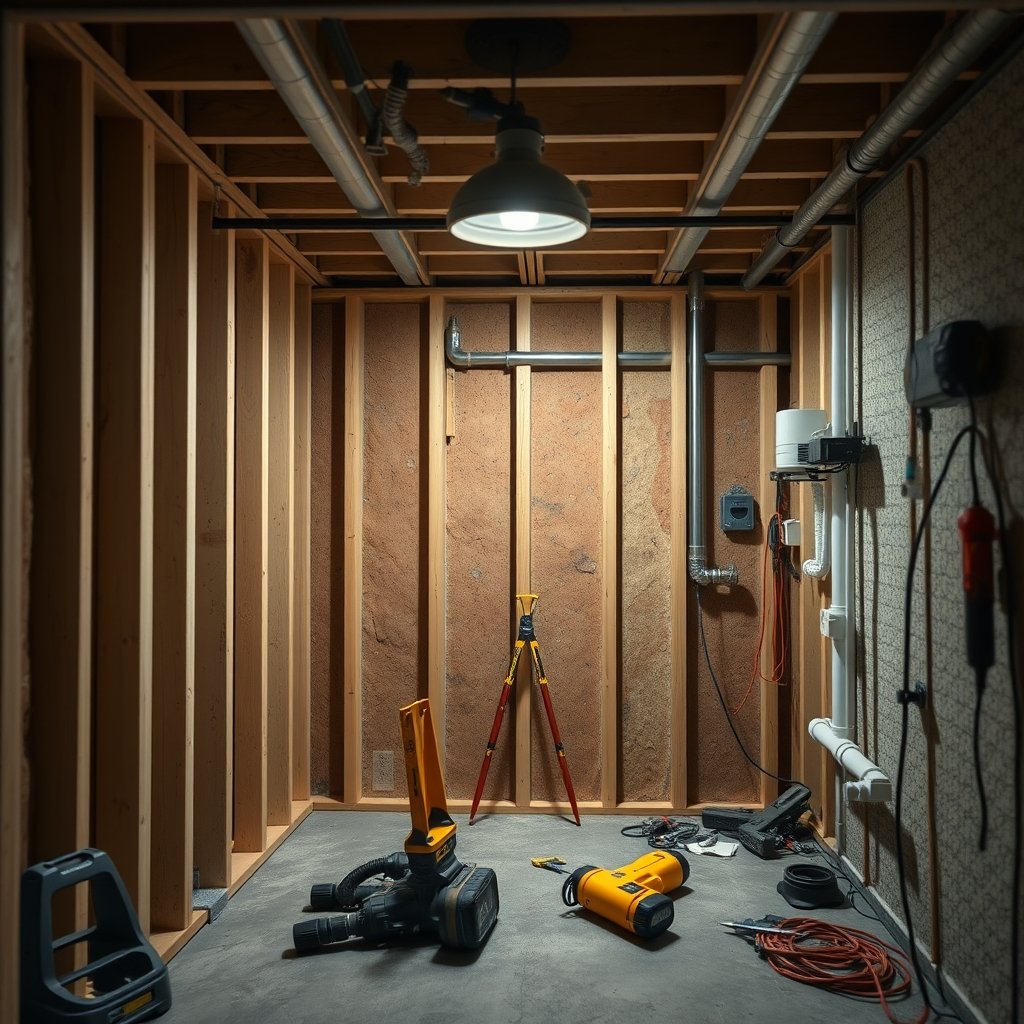
Costs vary widely by region and labor market. Here are the 2026 benchmarks for a standard, 2-car garage (about 400 sq ft) conversion ADU:
- Bay Area: $140,000–$210,000
- Orange County: $120,000–$185,000
- Sacramento: $85,000–$130,000
- Los Angeles County: $120,000–$175,000
- San Diego: $110,000–$165,000
- Ventura: $115,000–$175,000
- Detached new build (CA): $250,000–$400,000+
Markets with lower labor rates or permitting costs—like Sacramento or Phoenix—see significantly lower garage conversion ADU prices. Meanwhile, premium ADUs in coastal or high-demand areas can exceed $200,000, especially with upgrades or full kitchens.
Line‑item cost breakdown — labor, permits, materials, and contingency
Realistic planning means understanding where every dollar goes. Below is a full budget template for both single and two‑car garage conversion ADUs. Rates vary by region and contractor availability.
| Line Item | Single Garage | Two-Car Garage | Notes |
|---|---|---|---|
| Framing & Structural | $1,500–$3,000 | $2,500–$5,000 | May require stem wall or seismic retrofit |
| Insulation | $1,000–$2,500 | $1,800–$4,000 | Check climate & Title 24 code |
| Drywall & Finishing | $1,200–$2,800 | $2,000–$4,500 | |
| Electrical Upgrades | $1,500–$3,500 | $2,500–$5,500 | New subpanel often required |
| Plumbing Additions | $2,000–$5,000 | $3,000–$7,000 | Full bath increases dramatically |
| HVAC Extension | $1,500–$4,000 | $2,500–$6,000 | Mini-split systems are more cost-effective |
| Windows & Doors | $1,000–$3,000 | $1,500–$5,000 | Matches egress/code min |
| Garage Door Wall | $1,500–$4,000 | $2,500–$6,000 | Can save by retaining/filling |
| Flooring (see ADU garage flooring ideas) | $1,500–$4,000 | $2,500–$6,500 | Vinyl, engineered wood, tile common |
| Permits & Fees | $500–$1,500 | $1,000–$3,500 | Heavily city-dependent |
| Contingency | $10,000–$20,000 | $12,000–$25,000 | Don’t skip—unknowns are common |
| Labor Hour Rate | $75–$175/hr (varies) | ||
| Total Typical Range | $50,000–$90,000 | $80,000–$150,000 | |
For further breakdowns, check this detailed regional cost guide.
Permits, approvals and average timelines — California, Texas, New York (what to expect)
Most garage conversion ADUs require:
- Building permit
- Separate electrical, plumbing, mechanical permits
- Zoning or use‑variance
- Fire department review (especially if in a WUI/fire zone)
- Certificate of occupancy or rental permit (for rentals)
Timelines by state/city:
- California (streamlined ADU cities): 6–10 weeks (source). Example: LA, San Diego, Sacramento.
- Texas: 2–3 months. Austin and Dallas require basic plan checks, but may be delayed by historic or utility reviews.
- New York: 8–12 weeks, with NYC often 10–14 weeks due to plan check, fire code, and historic overlays.
Read more about permit process tips.
Timeline and project milestones (from scoping to rent-ready)
Garage conversion ADUs typically go rent-ready in 3–6 months, including:
- Feasibility & site survey: 1 week
- Plans & engineering: 2–4 weeks (faster with pre-approved sets)
- Permitting: 6–10 weeks (CA) or 2–3 months (TX/NY)
- Demo and build: 8–12 weeks
- Final inspections/certificate: 1–2 weeks
- Marketing/tenant move-in: 1–2 weeks
Ground-up detached ADUs require more site work, longer permits, and usually take 8–14 months start to occupancy.
Design and construction decisions that move the needle on cost
Key price drivers for your garage to ADU conversion:
- Full kitchen vs kitchenette: Adding a stove and oven, extra outlets, or a dishwasher pushes up both MEP costs and code review.
- Bathroom plumbing: A bath can add $2,000–$5,000 for a single garage; complex layouts add more. Plumbing distance from sewer stack also matters.
- Structural upgrades: If your slab, walls or roof need seismic or WUI (fire) upgrades, expect $8,000–$20,000 in some locations.
- HVAC: Extending home HVAC often costs more than mini-splits. Mini-split systems are easier convert garage to living space solutions.
- Window/door count: More openings raise cost, but can help light, code and marketability.
- Finish level: Basic finishes keep you near $150 per sq ft, but going premium can tip the total over $200,000.
- Flooring: See ADU garage flooring ideas—vinyl, engineered wood, and polished concrete are low-maintenance and code-compliant.
Rental income, payback and ROI framing (how to evaluate returns)
Here’s how owners and investors can crunch the numbers:
- Simple payback: Divide total project spend by annual post-tax rent. For example, if your conversion cost $125,000 and rent is $2,100/mo, payback is roughly 5 years (not accounting for taxes, vacancy, or financing).
- ROI/cap rate: Example: $140k total investment, $24k annual rent, yields a 17% gross cap rate. Compare this to financing costs or other investments.
- Factor in lost garage: In California, losing a garage may reduce resale to buyers who value parking (source).
- Detached builds: Higher project cost means lower cap rates, unless larger units command premium rents.
Use these numbers to tailor your own calculator or see other owners’ results in our in-depth ROI guide.
Garage conversion vs building a new ADU — quick decision checklist
Not sure which route to pursue?
- Structural soundness: If your garage is heavily damaged or non-code, a new build may be required.
- Site constraints: Conversion is often easier if property setbacks or lot coverage are tight.
- Privacy & size: Detached wins for separate yards, multi-bedroom layouts.
- Parking rules: Some zones may require parking replacement if converting your only garage.
- Shared utilities: If garage is attached, tap existing sewer, water, power for big savings.
| Garage Conversion ADU | Detached New ADU | |
|---|---|---|
| Cost | $80k–$150k (2-car) | $250k–$400k+ |
| Timeline | 3–6 months | 8–14 months |
| Permitting | Moderate | Higher, often slower |
| Design Flexibility | Limited by garage footprint | Unlimited (pending city rules) |
| Parking Impact | Loss of covered parking | May require more paving |
For detailed site-by-site tips, see our expert breakdown.
Permitting pitfalls, common delays and how to avoid them
According to city data and permit agencies, the top delays come from:
- Incomplete/convoluted plan sets (missing MEPs, unclear structural)
- Zoning conflicts (setbacks, use not allowed by right)
- Wrong occupancy classification on plans
- Fire code oversights, especially WUI zones in CA
- Unclear utility connections or sewer mapping
- Not using pre-approved plans where available
To speed approvals:
- Hire an early consult with a local architect experienced in ADUs
- Ask building/planning for sample submissions
- Get your fire and life-safety plan reviewed up front
- Complete all MEP (Mechanical, Electrical, Plumbing) plans before submission
Funding options and cost-reduction strategies
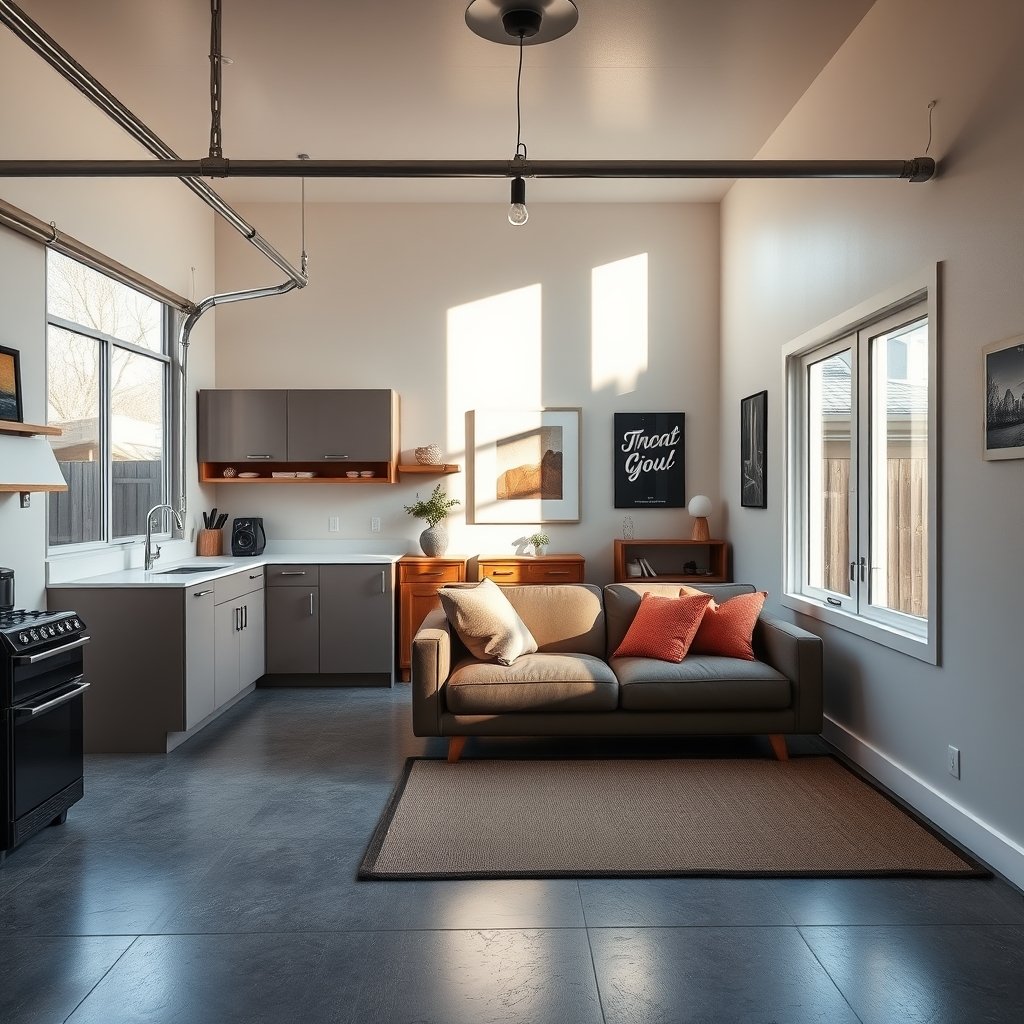
Most homeowners tap one or more of these for their garage conversion ADU:
- Home equity lines or cash-out refinance (lowest rates, but requires equity and qualification)
- Fannie Mae HomeStyle or FHA 203(k) renovation loans (add project cost to mortgage)
- Specialty ADU renovation loans—some local banks/CDFIs in CA/OR/NY offer dedicated products
- PACE financing (limited areas, watch out for title implications)
To reduce spend:
- Keep plumbing near existing sewer stack to avoid trenching
- Opt for a mini-split HVAC instead of extending ducts
- Skimp on finish upgrades, not on weatherproofing or insulation
- Use city-offered stock/express plan sets
- Always include a $10,000–$20,000 contingency for surprises
Labor rates from $75–$175/hr can swing your financing needs by $20k+ in high-cost regions. Compare them before choosing a general contractor or lender.
Sample budgets and downloadable checklist (templates)
Below: 2026 sample business-case budgets for a two-car garage ADU conversion. Adapt as needed.
Budget Template: Basic Conversion
| Item | Low | High |
|---|---|---|
| Design & Permits | $7,500 | $15,000 |
| Framing/Structural | $2,500 | $5,000 |
| Insulation | $1,800 | $3,000 |
| Electrical | $2,500 | $4,500 |
| Plumbing | $3,000 | $7,000 |
| Garage Door -> Wall | $2,000 | $4,000 |
| Drywall & Paint | $2,000 | $4,000 |
| Windows/Doors | $1,500 | $4,000 |
| Flooring | $2,500 | $4,500 |
| HVAC (mini‑split) | $2,500 | $4,000 |
| Kitchenette | $4,000 | $7,500 |
| Contingency | $10,000 | $15,000 |
| Total | $80,000 | $120,000 |
Budget Template: Mid-Range Conversion
| All Above plus: | ||
| Full Kitchen | $7,500 | $15,000 |
| Premium Flooring/Finish | $5,500 | $8,000 |
| Bath Upgrades (Tile/Vanity) | $6,000 | $10,000 |
| Total | $120,000 | $160,000 |
Budget Template: Premium Buildout
| All Above plus: | ||
| High-End Appliances, Features | $10,000 | $25,000 |
| Custom Exteriors/Entry | $8,000 | $20,000 |
| Specialty Lighting/Smart Panels | $7,000 | $12,000 |
| Interior Design/Upgrades | $8,000 | $12,000 |
| Total | $160,000 | $220,000+ |
Printable Permit Checklist: CA/TX/NY
| Task | Required* |
|---|---|
| Feasibility Study/Architectural Plans | ✔️ |
| Building Permit Application | ✔️ |
| Electrical/Plumbing/Mechanical Permits | ✔️ |
| Zoning or Use-Variance Review | Varies |
| Fire Department/Title 24 Review | ✔️ (CA) |
| Energy/Green Building Compliance | ✔️ (esp. CA/NY) |
| Certificate of Occupancy | ✔️ |
| Rental License for Rentals | ✔️ (after build) |
Next steps — a homeowner’s 30/60/90 day action plan
Here’s how to launch your garage conversion ADU process, step by step:
- Day 0–30: Take full garage photos, measure all dimensions, check foundation and slab condition. Book a consult with a local ADU architect/engineer for feasibility. Research local permit timelines (CA: 6–10 wks; TX: 2–3 mo; NY: 8–12 wks).
- Day 30–60: Get two to three itemized contractor bids (see budget templates above), finalize floorplan, and collect all required paperwork (utility maps, old plans, survey).
- Day 60–90: Submit permit applications and financing. Prepare living/parking plan for the construction phase. Be realistic: most garage conversion ADU projects are completed in 3–6 months once permits are approved.
- See our full homeowner’s ADU prep guide.
FAQs
How much does it cost to convert a garage to an ADU in 2026?
For a standard two-car garage, expect $80,000–$150,000 in most markets. In high-cost areas, premium builds and larger garages can reach $200,000+.
What permits do I need for a garage conversion ADU?
You need a building permit, plus electrical, plumbing, mechanical, fire department sign-off, and occupancy/rental certificates. Some cities require additional zoning or use-variance reviews.
How long does a garage conversion ADU project usually take?
3–6 months total is typical: 1–2 months planning/permits, 2–3 months build, 1–2 weeks final inspections and occupancy.
Will a garage conversion ADU affect my resale value?
It can increase home value by adding legal living area, but in some markets, removal of a garage for parking may reduce your buyer pool.
Is it better to convert or build a new detached ADU?
Garage conversions cost less and finish faster but are limited by size and structure. Detached builds cost more but offer more flexibility and better privacy.